Teaching Philosophy
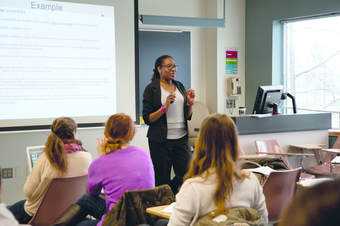
I always knew that I wanted to engage minds and nurture life-long learners. My journey in education started in elementary school as a tutor in literacy, then as a peer mentor in high school, moving on to a summer school teacher in college, and leading to my present standing as a scholar practitioner. To be an effective teacher, one needs to be knowledgeable about the subject matter; demonstrate good organization; provide information in a clear and explicit manner so that it can be understood; express enthusiasm for the subject; have the ability to develop rapport with students by responding to their needs; and display fairness in the evaluation process.
My teaching is informed by best practice, the needs of local and national communities, and the need to develop school psychologists and teacher candidates who will be successful in the ever-changing educational environment. My role in the classroom has evolved over the years. This evolution has been informed by research exploring the identity negotiations of women of color in academia. This theoretical lens has allowed me to objectively evaluate the intersections of race, gender, class and culture in the classroom.
My teaching is informed by best practice, the needs of local and national communities, and the need to develop school psychologists and teacher candidates who will be successful in the ever-changing educational environment. My role in the classroom has evolved over the years. This evolution has been informed by research exploring the identity negotiations of women of color in academia. This theoretical lens has allowed me to objectively evaluate the intersections of race, gender, class and culture in the classroom.
Marist college 08/13 - Present
Graduate
PSYH 602: Consultation in the Schools
PSYH 617: Academic Assessments
PSYH 640: Academic and Behavioral Interventions
Undergraduate
PSYC 208: Educational Psychology
PSYC 362: Measurement and Evaluation
PSYC 372: Psychoeducational Assessment of Educational Disabilities
PSYH 602: Consultation in the Schools
PSYH 617: Academic Assessments
PSYH 640: Academic and Behavioral Interventions
Undergraduate
PSYC 208: Educational Psychology
PSYC 362: Measurement and Evaluation
PSYC 372: Psychoeducational Assessment of Educational Disabilities
University of Albany 08/05 - 08/13
Graduate
ESPY 780: Cognitive Assessments
ESPY 798: Diversity: Developing a Multicultural Awareness
ESPY 895: Field Training Experience II
ESPY 798: Individual Differences in Personality
ESPY 786: Instructional Consultation and Intervention (initially under ESPY 895)
ESPY 790: Practicum
ESPY 780: Cognitive Assessments
ESPY 798: Diversity: Developing a Multicultural Awareness
ESPY 895: Field Training Experience II
ESPY 798: Individual Differences in Personality
ESPY 786: Instructional Consultation and Intervention (initially under ESPY 895)
ESPY 790: Practicum
Other Teaching
Introduction to Psychology
Abnormal Psychology
Abnormal Psychology
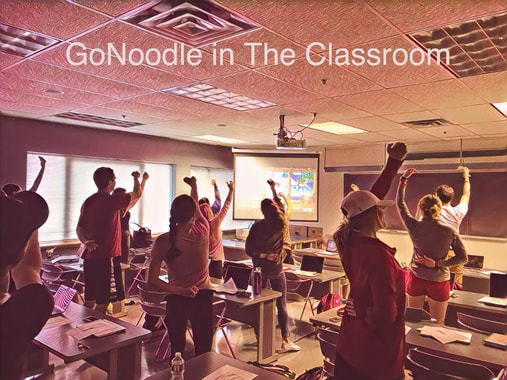
Movement & Mindfulness Break in the classroom